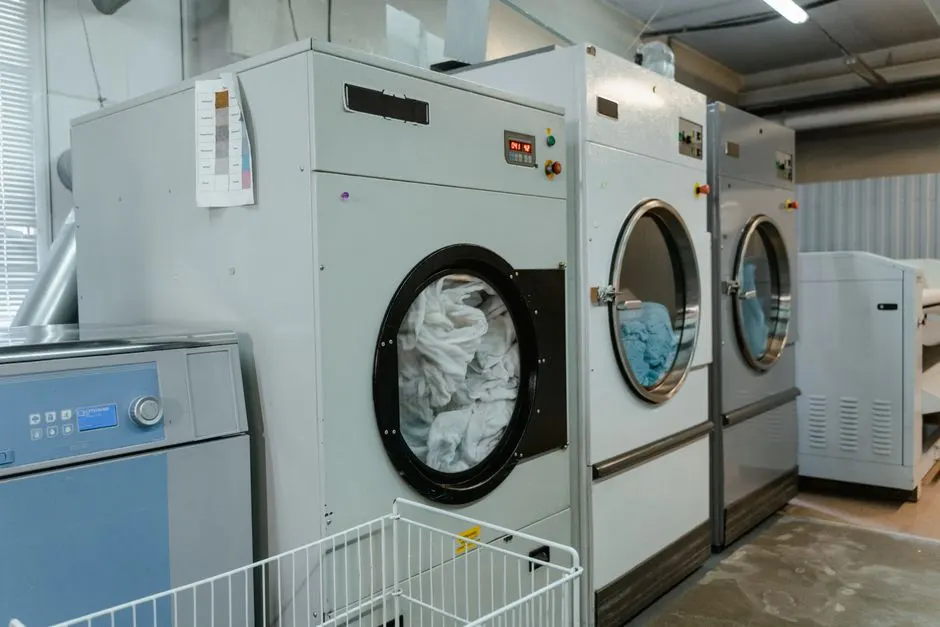
You can clean a dryer vent safely by unplugging the dryer, pulling it away from the wall, disconnecting the duct, and removing lint from the duct, the exterior hood, and the blower housing with a vent brush kit and a vacuum. The whole job takes most Wellington homeowners 45 to 90 minutes on a standard 8- to 12-foot run. If your duct is longer than 25 feet, runs through a cold crawl space, or has crushed sections behind the dryer, the safe move is to call a professional rather than force a brush through it.
We are StackGuard Masonry, and dryer vent work is one of the services we get called for most often in this part of Lorain County. Below is the exact process our technicians use, the tools that matter, the mistakes that cause fires, and how often you should be doing this in a Wellington home.
Why dryer vent cleaning matters in Wellington, Ohio
Dryer vent cleaning in Wellington, Ohio, matters because lint is highly flammable and the U.S. Fire Administration attributes roughly 2,900 home dryer fires each year to failure to clean the vent. Those fires cause an estimated 5 deaths, 100 injuries, and $35 million in property loss annually. The leading cause is not a faulty machine. It is lint that built up because nobody cleaned the duct.
Wellington homes have a few specific risk factors. Many houses here were built before 1980, which means longer, more winding vent runs than modern construction allows. Older flexible foil or plastic ducts are common in those homes, and both materials trap lint and sag over time. Add a cold, humid Ohio winter and you get condensation inside the duct, which makes lint stick to the walls instead of blowing out the hood.
There is also a performance cost. A clogged vent makes your dryer work harder, so cycles stretch from 45 minutes to 90 or more. That extra runtime shows up on your electric bill and shortens the life of the appliance. If you have noticed your dryer taking two cycles to dry a normal load, the vent is the first thing to check.
How do I clean a dryer vent safely in Wellington OH?
To clean a dryer vent safely in Wellington OH, kill the power at the breaker, disconnect the duct at both ends, and clean from the outside hood back toward the dryer so you push lint out rather than deeper in. Never run the dryer while the duct is disconnected, and never use a leaf blower or shop vac on a gas dryer without shutting off the gas supply first.
Safety here is mostly about two things: electricity and gas. A dryer pulls 240 volts on an electric model, and that is not something to work around with the plug still in. On a gas dryer, the flexible gas connector behind the unit can be damaged if you yank the appliance too far from the wall. Turn the gas valve off at the shutoff, move the dryer gently, and do not kink the connector.
If you are not comfortable working behind the appliance, or your duct disappears into a wall or ceiling, that is the point to stop. Our team handles dryer vent cleaning Wellington OH with the right rotary equipment, and we can tell you in one visit whether your duct is safe to keep or needs to be replaced.
Tools and materials you actually need
You do not need a truck full of equipment to do this safely. You need the right five or six items, and you need to skip the ones that cause damage.
- A dryer vent cleaning kit with flexible rods and a brush head sized to your duct diameter (usually 4 inches).
- A shop vacuum with a crevice tool and a hose long enough to reach the blower housing.
- A nut driver or screwdriver for the duct clamps and the exterior hood screws.
- A drop cloth and gloves - lint is messy and the area behind the dryer is usually filthy.
- A flashlight or headlamp for inspecting the duct interior.
Skip the leaf blower trick you see online. It blows lint into the room and, on a gas dryer, can push air past a compromised gas connection. Skip compressed air for the same reason. And skip any brush that is stiffer than the duct material - a rigid brush will tear flexible foil ducting and leave sharp edges that catch lint.
Step-by-step: cleaning the vent from the dryer to the outside
Work outside-in on the hood first, then inside-out from the dryer. This order keeps you from pushing a wall of lint into a section you already cleaned.
- Kill the power. Flip the dryer breaker off. For gas, close the shutoff valve.
- Pull the dryer out. Give yourself 3 feet of clearance. Do not stretch the gas line or the vent.
- Disconnect the duct. Loosen the clamp at the dryer and at the wall. Set the duct aside if it is rigid, or replace it if it is crushed or torn.
- Vacuum the blower housing. Reach into the dryer exhaust port with the crevice tool and pull out what you can see.
- Clean the exterior hood. Go outside, remove the hood cover, and clear the flap and screen. A stuck flap is one of the most common causes of long dry times.
- Run the brush through the duct. Feed the rods from the outside end toward the house, then reverse and pull the lint back out. Vacuum as you go.
- Reconnect everything. Use metal foil tape, not screws, on flexible duct. Screws catch lint.
- Test. Restore power and run the dryer on air fluff for 10 minutes. Check that the exterior flap opens fully and that you feel strong airflow outside.
If the duct is rigid metal and runs more than 15 feet, you may need a powered auger rather than hand rods. That is the point where most homeowners hand it off. Our chimney sweep near me Wellington OH crews run into the same ducting issues on furnace and fireplace flues, and we bring the same rotary equipment to dryer vents.
Common mistakes and what to watch out for
The most expensive mistake is using the wrong duct material. Vinyl and foil flex duct are banned by most building codes for dryer exhaust because they sag, trap lint, and ignite. If your home still has that white plastic accordion hose behind the dryer, replace it with rigid or semi-rigid metal. It costs $15 to $30 at any hardware store in Wellington and takes 10 minutes to swap.
Other mistakes we see regularly:
- Screwing the duct together. Screws protrude into the airflow and snag lint. Use foil tape and clamps.
- Leaving the exterior hood screen in place. Some hoods have a bird screen that clogs within a season. Remove it or clean it monthly.
- Cleaning only the dryer end. The worst lint buildup is usually at the exterior hood and at any 90-degree elbow.
- Running the dryer to "blow out" the lint. That sends lint into the room and, on gas units, risks pulling combustion gases back into the house.
- Ignoring a crushed duct. If the duct is squashed behind the dryer, no amount of cleaning will fix the airflow. Replace it.
Watch for these warning signs that the vent is already restricted: the dryer gets hot to the touch on top, the laundry room feels humid during a cycle, the exterior flap barely moves, or you smell a burnt, sweet odor. Any of those means stop using the dryer until the vent is cleaned.
How often should you clean your dryer vent in Wellington?
Clean your dryer vent at least once a year, and every six months if you do more than four loads a week or have a long duct run. In Wellington, we recommend a spring cleaning right after the heating season, because winter condensation leaves lint stuck to the duct walls.
Households with pets should move to every four to six months. Pet hair passes through the lint trap and packs into the duct faster than fabric lint alone. If you have a family of five doing a load a day, twice a year is the realistic minimum.
Between cleanings, do the small stuff. Pull the lint trap and wash it with soap and water every month - dryer sheets leave a waxy film that reduces airflow. Check the exterior hood once a month and clear any nesting material. Those two habits take five minutes and prevent most of the problems we get called out for.
When to call a professional
Call a professional when the duct runs through a wall, ceiling, or crawl space, when it is longer than 25 feet, or when you find crushed or disconnected sections you cannot reach. Those are the situations where a homeowner brush kit does more harm than good.
We also get called when the dryer still runs hot after a DIY cleaning. That usually means lint is packed at an elbow or the blower wheel itself is coated. Our technicians carry rotary augers, inspection cameras, and a vacuum rated for fine lint. We clean the full run, confirm the exterior flap opens fully, and check airflow before we leave.
StackGuard Masonry handles dryer vents alongside our chimney work, and we serve homeowners across the Wellington area. If you are already booking chimney inspection Wellington OH for the fall, add the dryer vent to the same visit. It is a small add-on and it takes one more item off your list.
Frequently Asked Questions
How do I clean a dryer vent safely in Wellington OH?
Unplug the dryer or cut the breaker, disconnect the duct at both ends, and clean from the exterior hood back toward the dryer. Use a vent brush kit and a shop vacuum, never a leaf blower. Reconnect with foil tape, then run a 10-minute air-fluff test to confirm airflow.
Why is dryer vent cleaning important in Wellington, Ohio?
Lint is the leading cause of the roughly 2,900 dryer fires reported in the U.S. each year. Wellington's older homes often have long, winding vent runs and legacy foil ducting that trap lint. Cleaning the vent cuts fire risk and restores normal 45-minute dry times.
Can a chimney sweep clean dryer vents in Wellington OH?
Yes. Chimney sweeps already carry rotary rods, industrial vacuums, and inspection cameras sized for 4-inch exhaust ducts. StackGuard Masonry cleans dryer vents across the Wellington area, often on the same visit as a chimney or fireplace service.
How often should I clean my dryer vent in Wellington?
Once a year is the minimum for a typical household. Go to every six months if you run more than four loads a week or have a duct longer than 15 feet. Homes with pets should clean every four to six months.
What are the signs my dryer vent is clogged?
Clothes take two cycles to dry, the dryer top feels hot, the laundry room gets humid, the exterior flap barely opens, or you smell a burnt odor. Any one of those means stop using the dryer until the vent is cleaned.
Get help with Chimney Sweep in Wellington
If your dryer vent is buried in a wall, running hot, or overdue for a cleaning, our team can take care of it in a single visit. We serve Wellington and the surrounding Lorain County communities, and we will tell you straight whether the duct needs cleaning or replacing.
Call StackGuard Masonry at (855) 961-0129 to book dryer vent cleaning or any of our Chimney Sweep services.